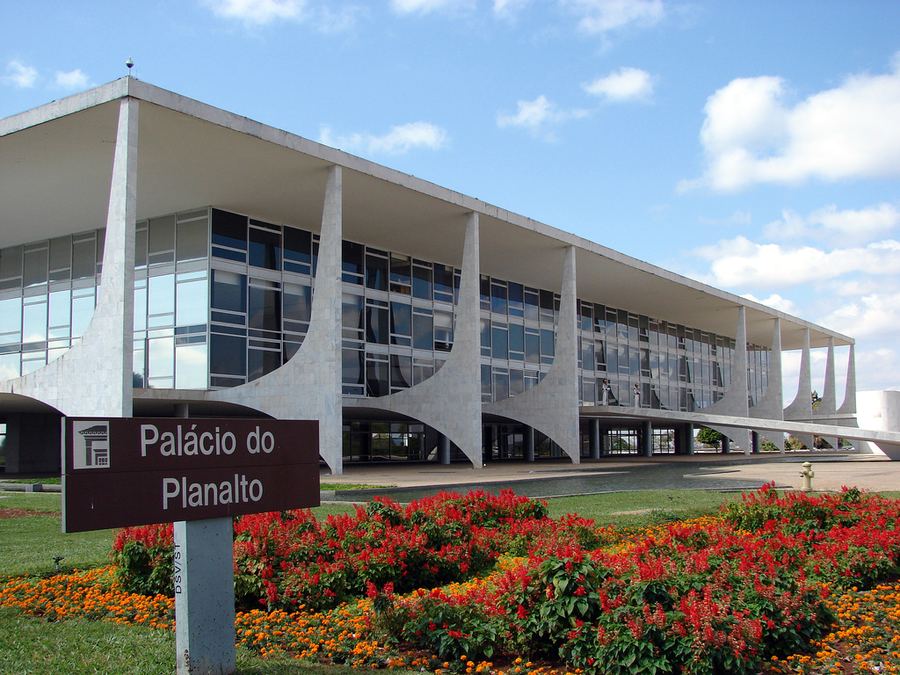
BRASÍLIA — Brazil's president, Luiz Inácio Lula da Silva, has signed a decree that makes a free-trade agreement with four European countries part of Brazilian law. A free-trade agreement is a treaty in which countries agree to lower or remove tariffs, the taxes charged on goods when they cross a border, and to make it easier to do business with each other. The decree, No. 13.126, is dated 23 September 2026. It was published that day in a special edition of the Diário Oficial da União, the government's official journal, where laws and decrees must appear before they take effect.
Who is in the deal
The agreement is between two trade groups. Mercosur is a South American trade bloc, meaning a group of countries that trade with each other on special terms and negotiate trade deals with the rest of the world as a group. Its members are Brazil, Argentina, Bolivia, Paraguay and Uruguay, according to Agência Brasil, Brazil's public news agency. Venezuela is also a member but has been suspended since 2017.
The other side is the European Free Trade Association, known as EFTA. Its members are Iceland, Liechtenstein, Norway and Switzerland. They are in Europe but are not members of the European Union, so they make their own trade deals. Brazil's trade ministry says the four countries together have about 15 million people and an economy worth about US$1.4 trillion a year, and that they are among the richest countries in the world measured by income per person.
How the deal became law in Brazil
Signing a treaty does not by itself make it law. In Brazil, a treaty goes through several steps. The two sides signed the agreement in Rio de Janeiro on 16 September 2025. Negotiations had started in 2017 and took 14 rounds of talks, according to the trade ministry. Brazil's Congress approved the text on 22 June 2026. On 8 July 2026, Brazil formally ratified it, which means it officially told the other countries it agrees to be bound by the treaty. It did this by filing a document with the government of Norway, which holds the official records for the agreement.
The president's decree is the last step. It makes the treaty part of Brazil's own legal system. According to the decree, the agreement takes legal effect for Brazil on 1 October 2026.
When the tariff cuts start
The lower tariffs do not start with all four European countries at once, because each of them also has to finish its own approval process. Brazil's trade ministry said on 24 September that the new trade terms begin on 1 October between Brazil and Iceland and on 1 November between Brazil and Norway. Switzerland and Liechtenstein have not finished their own approval yet, so the lower tariffs with those two countries will start only once they do.
What the deal changes
According to the trade ministry, once the agreement is in force between Brazil and a given European country, that country removes its import tariffs on all Brazilian industrial and fishery products right away. Farm products are handled differently, with tariffs opened up in various ways and on different schedules.
The agreement covers more than tariffs, according to Agência Brasil, which cited the presidential palace. It reduces technical barriers to trade, which are product rules and standards that make it harder to sell goods abroad. It also cuts food-safety and plant- and animal-health rules, but only those considered unnecessary for trade. It simplifies customs procedures at the border and gives companies more access to government contracts in the partner countries. It sets commitments on intellectual property (legal ownership of inventions, brands and creative work), sustainable development, environmental protection, biodiversity and human rights. It also protects geographical indications, which are product names tied to a specific place, such as a cheese or wine that can be sold under a regional name only if it comes from that region.
The presidential palace said the agreement "expands opportunities for Brazilian products to enter the markets of EFTA countries and creates conditions for increased trade and investment flows," according to Agência Brasil. Brazil's trade minister, Márcio Elias Rosa, called it "another step in the strategy of commercial diversification and of Brazil's integration into the international economy." Commercial diversification means selling to a wider range of countries so that a country depends less on a few big buyers.
Help for businesses
The trade ministry has also launched an online data panel to help Brazilian companies see the tariffs they pay now and the lower rates they can get under the agreement, with filters by Brazilian state. Tatiana Prazeres, Brazil's secretary of foreign trade, said the goal now is to make the rules easy to understand so businesses can spot opportunities and prepare to use them.
What happens next
Brazilian goods will start entering Iceland on the new terms on 1 October and Norway on 1 November. Trade with Switzerland and Liechtenstein will move to the new terms once those two countries finish their own approval of the agreement. The trade ministry did not give a date.
Floor: Decree No. 13.126 of 23 Sep 2026 (President Lula) puts into Brazilian law the Mercosur–European Free Trade Association free-trade agreement signed in Rio de Janeiro on 16 Sep 2025. Congress approved it by Decreto Legislativo 146 of 22 Jun 2026; Brazil deposited ratification with Norway on 8 Jul 2026; the agreement takes legal effect for Brazil on 1 Oct 2026 (Article 16.5, paragraph 2). European Free Trade Association: Iceland, Liechtenstein, Norway, Switzerland. Mercosur: Brazil, Argentina, Bolivia, Paraguay, Uruguay (Venezuela suspended). Trade ministry, 24 Sep: preferences start 1 Oct with Iceland and 1 Nov with Norway; Switzerland and Liechtenstein still completing their own approval; about 15 million people and about US$1.4 trillion in GDP; industrial and fishery tariffs removed immediately once in force, farm goods vary; 14 negotiating rounds; Minister Rosa quote on trade diversification. Agência Brasil: fewer technical barriers and food-safety and plant-health (sanitary and phytosanitary) measures, customs, government procurement, intellectual property, sustainable development, environment, biodiversity, human rights, and protection of geographical indications (product names tied to a place). Sources: Planalto, Agência Brasil (English and Portuguese), trade ministry.