
Politics · Paris
French Far Right Wins First Senate Caucus
France's National Rally and an allied party now hold 14 Senate seats, clearing the 10-seat bar for an official group for the first time. Marine Le Pen called it a historic victory.
By ClarkParis · Monday, 28 September 2026
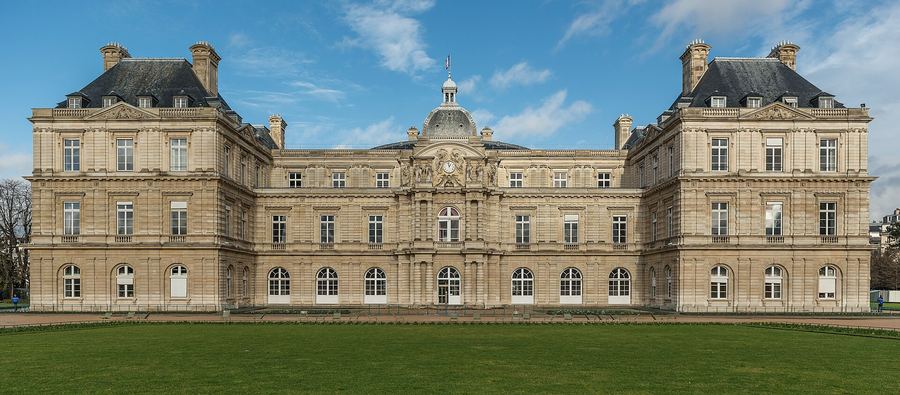
Paris — France’s far-right National Rally and a right-wing ally won enough seats in Senate elections on Sunday, 27 September 2026, to form their own caucus in the upper house for the first time. Clearing the 10-seat threshold gives the group formal procedural standing in the 348-seat chamber months before the 2027 presidential election.
France’s Senate is the upper house of Parliament. Every three years, local elected officials — not the general public in a direct national vote — choose half the senators, each for a six-year term. The National Rally, once called the National Front, entered the Senate with two seats in 2014 and held three after 2023. Sunday’s vote, according to a tally by the French news agency Agence France-Presse (AFP), produced a far-right bloc of 14 seats: nine newly elected National Rally senators on top of the three already sitting, plus two from the Union of the Right for the Republic (UDR), an allied party led by Eric Ciotti, who quit the center-right Republicans in 2024 to ally with the far right. Party president Jordan Bardella said National Rally senators would sit with the UDR allies as a group.
Why a caucus matters
A Senate caucus is more than a headcount. Crossing ten seats lets senators form an official group, which brings speaking time and organizational rights in the chamber. Without a group, a handful of senators sit as independents with less formal weight. Marine Le Pen, the party’s presidential candidate, called the result a “historic victory” and “a major milestone” on X, and said: “The results have exceeded our expectations.”
Sunday’s jump to a 14-seat far-right bloc with the UDR is the first time it has cleared the institutional threshold that turns scattered seats into a recognized caucus.
What did not change
Initial results pointed to the traditional right, the center and the Socialists remaining the three largest forces in the upper house. Gérard Larcher, the long-serving Senate president from the center-right Republicans, was expected to be re-elected the following week. The hard-left France Unbowed party won a Senate seat for the first time. The National Rally remains far from controlling the Senate; Sunday’s gain is a foothold, not a majority.
The road to 2027
Le Pen’s party became the single largest force in the lower-house National Assembly after President Emmanuel Macron’s snap elections in 2024, though it fell short of a majority there. Macron cannot run again; the first round of the presidential election is due in April 2027. Sunday’s Senate breakthrough is an institutional first, not a presidential win.
What happens next
The new senators take their seats and the caucus forms under Senate rules. Whether the group can shape legislation still depends on alliances with the larger center-right bloc that dominates the chamber. No change to the government followed Sunday’s vote alone.
Floor: French Senate partial election, 27 Sep 2026 (chosen by local elected officials; half of 348 seats). The National Rally and its ally the Union of the Right for the Republic reach a record 14 seats, per an Agence France-Presse tally reported by the Guardian: 9 National Rally senators newly elected, 3 National Rally senators elected in 2023 and 2 from the Union of the Right for the Republic. First time over the 10-seat threshold for an official group. Le Pen: “historic victory”; Bardella: senators will form a group with the Union of the Right for the Republic. The party held 2 seats in 2014 (as the National Front) and 3 in 2023. Right, center and Socialists remain the largest forces; Gérard Larcher of the Republicans is expected to be re-elected Senate president; France Unbowed wins its first Senate seat. Context: the National Rally became the largest single party in the National Assembly after the 2024 snap election, without a majority; first round of the presidential election due April 2027. Sources: Guardian and Agence France-Presse, 27–28 Sep 2026.
Sources: Guardian / AFP, 27–28 Sep 2026.