
Legislation · Sacramento
Newsom Signs Immigration Bill Package
California Governor Gavin Newsom on 29 September signed more than twenty state bills aimed at immigration enforcement inside California, including a new right to sue federal agents for constitutional violations, a ban on electric-shock gloves, and a 25 percent tax on private detention centers.
By ClarkSacramento · Thursday, 1 October 2026
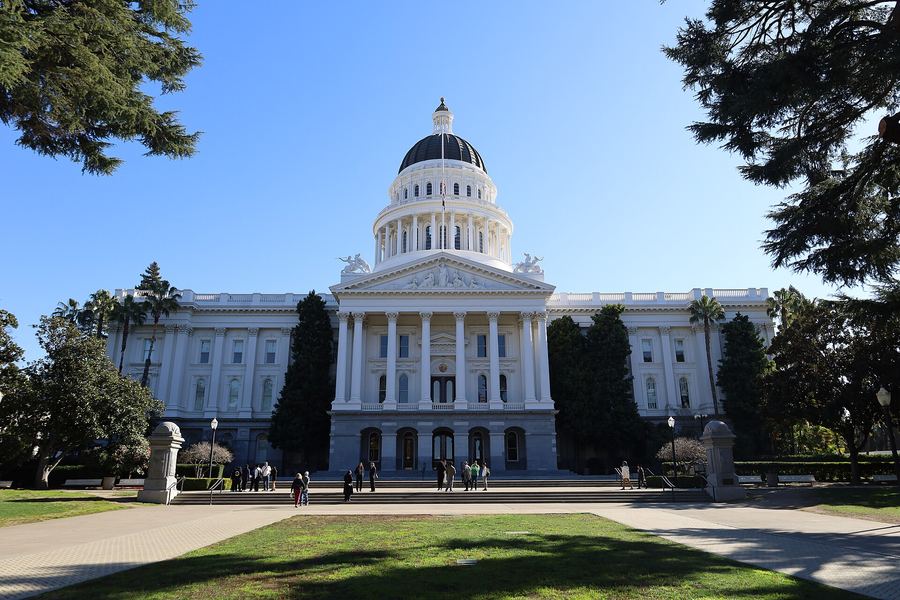
Sacramento — California Governor Gavin Newsom on 29 September signed a package of more than twenty bills that tighten state rules around immigration enforcement, detention facilities and law-enforcement equipment used in California. The governor’s office and contemporaneous Los Angeles Times reporting describe the package as a response to intensified federal immigration operations in the state.
California cannot rewrite federal immigration statutes. What the bills do is use state authority over state property, public employment, detention facilities operating in California, public records, planning and zoning, and civil remedies under state law. Several measures took effect on signing; others follow ordinary effective-date rules in California statute.
Right to sue federal agents
Senate Bill 747, authored by Sen. Scott Wiener and branded the “No Kings Act,” creates a state-law path for people to sue federal, state and local officers for violations of rights under the U.S. Constitution — for example unlawful searches, excessive force, or retaliation against protected speech. Wiener’s office said the bill closes a gap left as federal “Bivens” lawsuits (a Supreme Court–created damages path against federal officers) have narrowed, and that it applies retroactively to incidents back to 1 March 2025. The senator’s office said the law took effect immediately on signing. Whether federal courts will fully honor every application of that state remedy against federal officers is a question for later litigation; the signed text is California’s attempt to supply a damages path.
Detention centers and oversight
Assembly Bill 1633 imposes a new 25 percent tax on private detention facilities, with revenue directed to immigration-related services; a fiscal analysis cited by the Los Angeles Times estimated about $177 million. Most immigration detention beds in California are run by private contractors such as GEO Group and CoreCivic under federal contracts, the Times reported. Companion measures expand health, safety and public-records rules for civil detention facilities, extend the state attorney general’s review role, add planning and zoning hurdles for new or converted detention sites (including a 180-day wait and public hearings under AB 1801), and restrict use of state-owned property for immigration-enforcement staging or detention (AB 1807).
Equipment and identification rules
AB 2760 bans wearable electroshock “shock gloves” for law enforcement in the state after reports that the Department of Homeland Security planned large purchases of such devices; Newsom called the technology “Orwellian” in a video the day of signing. SB 937 restricts flash-bang grenades and explosive breaching charges. SB 1004, also by Wiener, bans face coverings for ICE agents and other law enforcement on duty — a revised approach after a federal judge blocked an earlier California mask bill that treated federal agents differently from state police, the Times reported. AB 1650 requires temporary agency identification decals on certain rental vehicles used for detention, arrest or transport. AB 1627 bars people whose federal law-enforcement credentials were revoked for serious on-the-job misconduct from becoming California peace officers or public employees.
Courts, families and access
SB 873 protects people traveling to or from courthouses for lawful activities from civil arrest in specified circumstances. AB 1655 protects CalWORKs public-assistance eligibility in some cases when a household member is in federal immigration detention. Other signed bills address immigrant victims’ access to help, medical facilitation by law enforcement, and locked-facility review rules. Newsom had not yet acted on every related employment bill by the Times’s deadline note that Wednesday was the governor’s bill-action deadline for the session.
What happens next
The signed package is state law. Federal agencies may challenge particular provisions in court, as they did with the prior mask rule. Private detention operators face the new tax and oversight duties if they keep running California facilities. Individuals who believe federal agents violated constitutional rights in California from March 2025 onward have a newly asserted state damages path under SB 747 — subject to how judges apply it. The bills do not stop ICE or Border Patrol from operating under federal authority; they change the state-law environment in which that enforcement happens.
Floor: Gov. Gavin Newsom signed 20+ immigration-enforcement / detention / equipment bills on 29 Sep 2026 (gov.ca.gov list; LA Times). Highlights: SB 747 No Kings Act damages path vs federal officers, retroactive to 1 Mar 2025, effective on signing (Wiener office); AB 1633 25% private-detention tax (~$177M fiscal estimate via LA Times); AB 2760 shock-glove ban; SB 1004 mask ban revamp after prior federal injunction; AB 1801 180-day detention siting wait; AB 1807 state-property limits (gov.ca.gov). State cannot set federal immigration policy; package uses state authorities (governor’s framing; LA Times). Sources: gov.ca.gov; Los Angeles Times; Sen. Wiener SB 747 release, 29–30 Sep 2026.
Sources: Office of Governor Gavin Newsom, 29 Sep 2026; Los Angeles Times, 29 Sep 2026; Sen. Scott Wiener office, SB 747, 29 Sep 2026; PBS NewsHour, shock-glove bill context.