Judge Strikes Down First Remain in Mexico Policy
A federal judge in California ruled that the 2019 policy of making asylum seekers wait in Mexico for U.S. hearings was unlawful, finding it cut them off from lawyers and fair hearings, and cancelled it; its effect on the 2025 revival is not yet clear.
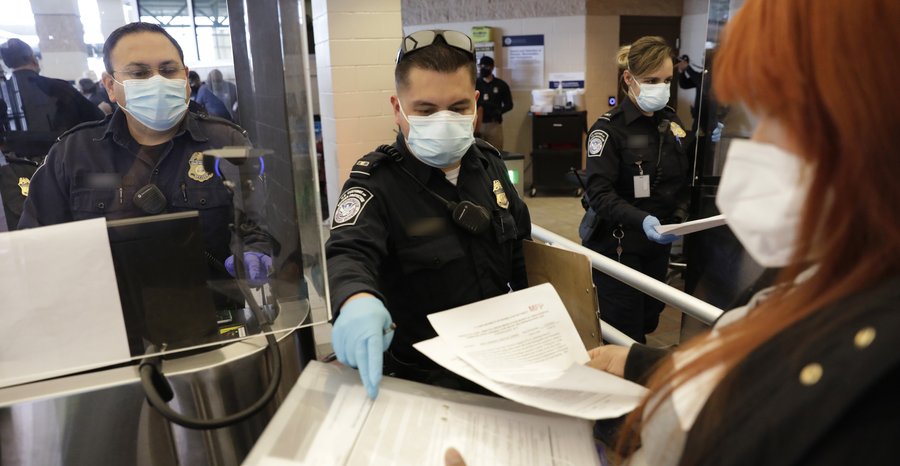
A federal judge in California has ruled that "Remain in Mexico," the policy that sent tens of thousands of asylum seekers back across the border to wait for their U.S. immigration hearings, broke the law and violated their constitutional rights.
U.S. District Judge Jesus G. Bernal issued the 40-page order on Wednesday, 7 October. It became public in the following days. The judge declared the policy unlawful and cancelled it, along with the guidance, memos and procedures used to run it.
What the policy was
The first Trump administration began the policy in 2019. Its official name was the Migrant Protection Protocols. People who crossed the southern border to ask for asylum, which is legal protection for those fleeing persecution, were sent back to northern Mexico to wait, sometimes for months, while their cases went through U.S. immigration courts. They were allowed into the United States only on the days of their hearings.
The Biden administration later wound the policy down. In January 2025, after President Trump returned to office, the government announced it was reinstating the 2019 policy, using, as an appeals court later noted, the same operating guidance from January 2019.
What the judge found
The case was brought by the Immigrant Defenders Law Center, other legal aid groups and asylum seekers who were sent to Mexico, on behalf of a larger group of people in the same situation.
Judge Bernal found the policy "arbitrary and capricious," the legal phrase for a government decision made without reasonable justification. He also found it blocked the right to apply for asylum and the right to a lawyer that Congress wrote into immigration law, and violated the Fifth Amendment's guarantee of a fair process and the First Amendment rights of legal groups to advise and represent clients.
The court's order lays out the record. About 80 percent of asylum seekers in immigration court had a lawyer, but only 7 percent of those sent to Mexico did. Government data from October 2021 showed that of 67,649 cases, only 732 people, about 1.1 percent, won protection from deportation. Similar asylum seekers from Central America who were not sent to Mexico won at a rate more than 26 times higher.
Human rights groups documented more than 1,000 cases of violence against people waiting in Mexico, including murder, torture, rape and kidnapping, the order says. The Homeland Security Department itself concluded they "were subject to extreme violence and insecurity" at the hands of criminal groups.
Lawyers could not easily reach clients across the border, phone and internet access was poor, and represented asylum seekers were allowed "at most a single hour" with their lawyers before court, the judge wrote. "In practice, some MPP 1.0 enrollees could meet with their counsel for only 20 to 45 minutes before their hearings."
The government argued that federal immigration law barred the court from cancelling the policy and that any relief should cover only the people who sued. The judge rejected that. Under the Administrative Procedure Act, the federal law that governs how agencies act, a court can cancel an unlawful policy outright, which is called vacatur.
What people said
"We welcome the court's finding that the Trump administration's 'Remain in Mexico' policy violated both our clients' right to a fair process and the First Amendment rights that protect attorneys' work on their behalf," said Alvaro Huerta, director of litigation and advocacy at the Immigrant Defenders Law Center, Law360 reported.
"Today is an important day for those of us who were in [Remain in Mexico]," the lead plaintiff said, The Independent reported. The Homeland Security and Justice departments did not respond to Law360's request for comment.
What it means in practice
The ruling cancels the 2019 policy and its guidance. Earlier, in April 2025, Judge Bernal had paused the reinstated policy, but an appeals court in July 2025 narrowed that pause to people represented by the Immigrant Defenders Law Center. The order does not say in plain terms how the cancellation will apply to the current version, and the government can appeal. People who were sent to Mexico under the first policy and remain outside the United States are part of the case and must be told about the ruling.
What happens next
The government has 21 days to propose how to notify everyone covered by the case. The two sides also have 21 days to propose a plan for a trial on one remaining claim in the case. Any appeal would go to the Ninth Circuit Court of Appeals.