Labor · San Francisco
Unions Win End to Shutdown Layoff Orders
Settling a union lawsuit, the Trump administration withdrew guidance that let agencies plan mass layoffs during a shutdown. Agencies have 30 days to remove that language from their shutdown plans.
By ClarkSan Francisco · Sunday, 27 September 2026
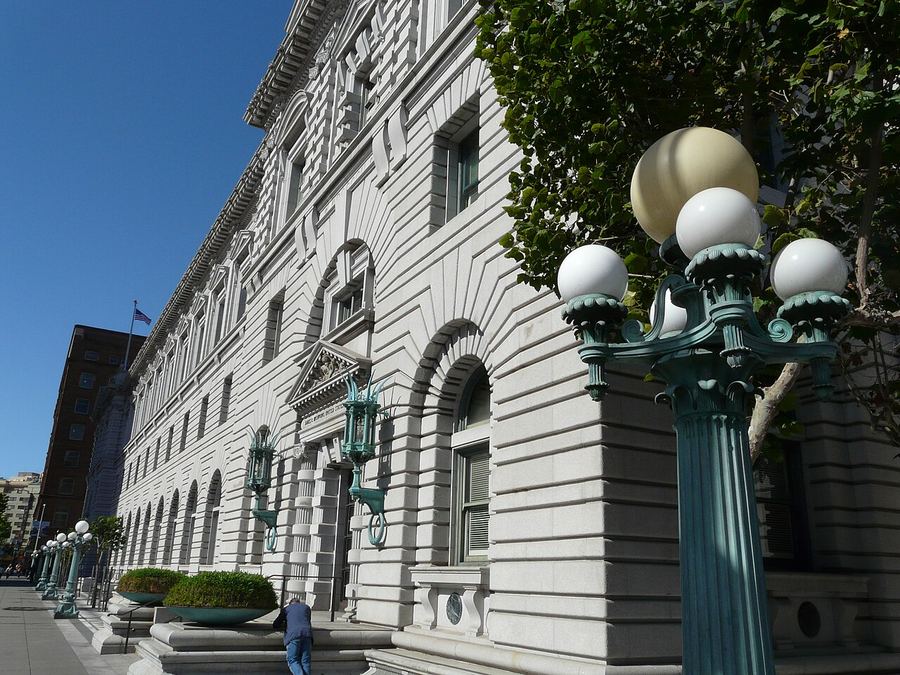
San Francisco — In a settlement dated 23 September and announced on Friday, 25 September 2026, the Trump administration agreed to drop open-ended permission for federal agencies to lay off employees during government shutdowns, settling a lawsuit brought by a coalition of unions. The case is American Federation of Government Employees v. Office of Management and Budget, No. 3:25-cv-8302, in the U.S. District Court for the Northern District of California.
A government shutdown happens when Congress has not passed funding bills and many agencies must pause non-essential work. A reduction in force, or RIF, is the federal government’s formal process for laying off employees when an agency cuts jobs. The fight was over whether the White House could tell agencies to use a shutdown as the moment to start those mass layoffs.
How the fight started
Unions sued on 30 September 2025, the day before what became the longest government shutdown in U.S. history began. Judge Susan Illston in San Francisco blocked more than 4,000 planned layoffs while the case continued. Later orders also required reinstatement of workers who had been separated and blocked further firings that the court said violated the law that ended the shutdown.
The unions’ coalition grew to include the American Federation of Government Employees (AFGE), the American Federation of State, County and Municipal Employees (AFSCME), and several other federal-sector unions. They argued that White House budget and personnel offices had directed agencies to run RIFs during a funding lapse in ways that broke federal law.
What the settlement does
The signed settlement agreement, dated 23 September 2026 and announced in a court filing on 25 September, says the “Lapse Memorandum” and related guidance that directed agencies to pursue RIFs during a shutdown have been rescinded in full and are no longer operative. It also states that RIF notices issued during the October–November 2025 funding lapse have been rescinded and that employees separated under those notices were reinstated.
Going forward, within 30 days:
- The Office of Management and Budget and the Office of Personnel Management, the government’s human-resources agency, must notify agency heads that the guidance is gone. - Agencies must remove language from their operative shutdown contingency plans that authorizes starting RIFs during a funding lapse, or that treats RIF administration as “excepted” work that can continue during a shutdown, unless a statute expressly allows that work. - If an agency later wants to put that kind of RIF language back into a shutdown plan, the change can take effect only 30 days after the agency gives the unions notice and publishes the proposed change. That notice rule applies to plans operative through 31 December 2026.
The case will be held in abeyance — paused — until 31 December 2026 or until Congress passes full-year 2027 funding, whichever comes first, and then dismissed, so the unions can return to court if agencies try to restore shutdown-layoff authority. Each side bears its own legal fees. The agreement says it is a compromise of disputed claims and is not an admission of wrongdoing.
What the unions said
Patrick Moran, president of AFSCME, said the settlement “places limits on [the administration’s] ability to use federal workers as bargaining chips” during the next shutdown, Reuters reported. AFGE National President Everett Kelley said the people targeted “care for our veterans, keep our airports safe, and make sure Social Security checks go out on time” and should not be used as “pawns in a political fight,” according to a release from Democracy Defenders Fund, one of the legal groups representing the unions.
The wider workforce backdrop
Reuters reported that the administration’s campaign to shrink the federal workforce through mass layoffs and buyouts led the civilian workforce to shrink by 12 percent between September 2024 and January 2026. That figure describes the broader downsizing trend; it is not the same as the more than 4,000 shutdown-related layoffs the San Francisco judge blocked in this case.
What happens next
Agencies have 30 days to scrub their shutdown plans and post the required notices. The lawsuit stays paused until 31 December 2026, or until full-year 2027 funding is enacted if that comes first, unless a covered agency gives notice that it intends to restore RIF language in a shutdown plan, in which case the unions may ask the court to reopen the case. The settlement does not ban all future federal layoffs outside a shutdown; it targets the specific guidance and plan language that tied mass RIFs to a funding lapse.
Floor: Settlement in American Federation of Government Employees et al. v. Office of Management and Budget et al., U.S. District Court for the Northern District of California, No. 3:25-cv-8302-SI; agreement dated 23 Sep 2026, announced in a court filing 25 Sep. The budget office's shutdown-layoff memo and related guidance rescinded; layoff notices issued 1 Oct to 12 Nov 2025 rescinded and laid-off employees reinstated. Within 30 days, the Office of Management and Budget and the Office of Personnel Management notify agencies, and agencies remove shutdown-layoff language from their contingency plans; through 31 Dec 2026, 30 days' public notice is required before restoring such language. Case paused until 31 Dec 2026 or full-year 2027 funding, whichever comes first, then dismissed. Judge Susan Illston had blocked more than 4,000 planned layoffs (Reuters). The civilian federal workforce shrank 12% from Sep 2024 to Jan 2026 (Reuters). Moran (American Federation of State, County and Municipal Employees) and Kelley (American Federation of Government Employees) quoted via Reuters and Democracy Defenders Fund. Sources: settlement agreement; Reuters; Democracy Defenders Fund, 25 Sep 2026.
Sources: signed settlement agreement, dated 23 Sep 2026; Reuters / Daniel Wiessner, 25 Sep 2026; Democracy Defenders Fund release, 25 Sep 2026.