
Elections · Olympia
Court Throws Out Sheriff Rules
A Thurston County judge on 2 October permanently blocked the core of Washington’s Senate Bill 5974 that would have forced elected county sheriffs to meet Criminal Justice Training Commission standards or face removal, and the attorney general plans to appeal.
By ClarkOlympia · Sunday, 4 October 2026
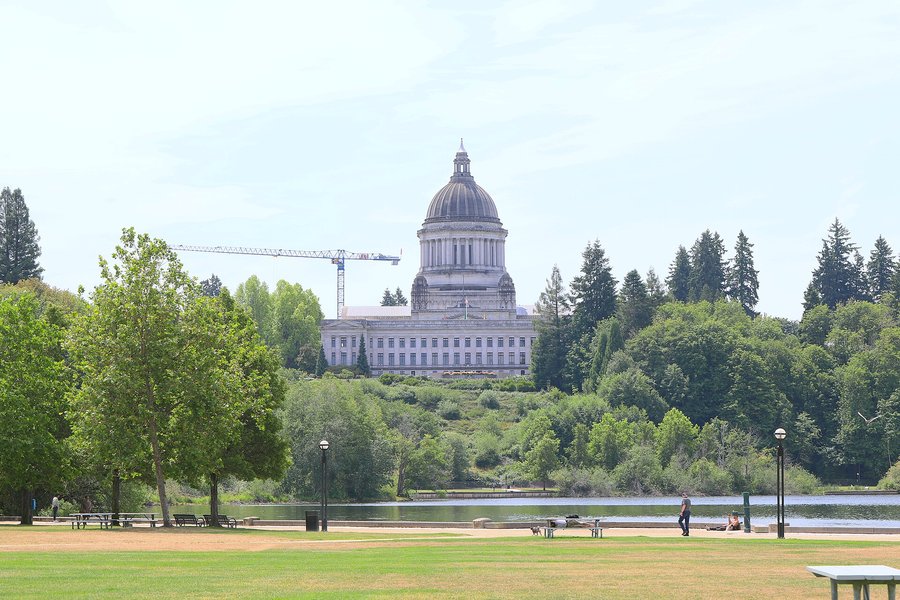
Olympia — Thurston County Superior Court Judge Christine Schaller on 2 October permanently blocked the most contested parts of Washington’s Senate Bill 5974 — the Democrat-backed law that tried to force elected county sheriffs to meet the same professional standards as appointed police chiefs, or lose their jobs.
A formal written order spelling out the ruling is expected later this month. The state plans to appeal. Until then, the permanent block stands pending that appeal.
What the law tried to do
County sheriffs in Washington are usually elected. Police chiefs are appointed. SB 5974 aimed to make sheriffs meet Criminal Justice Training Commission eligibility rules that already apply to many law-enforcement leaders: at least twenty-five years old, at least five years of law-enforcement experience, no felony or gross-misdemeanor convictions, and no history of conduct that would get a peace-officer certification revoked. Candidates would undergo background checks. Sheriffs not already certified would have had nine months after taking office to get commission certification — tighter than the prior one-year window. Failure to meet the standards, or having certification revoked, would have been grounds for removal. County officials would then appoint a replacement. Today, removing a sheriff mid-term usually means the rarely used voter recall.
The Criminal Justice Training Commission is the state body that trains and certifies peace officers. Five-member hearing panels that include two police officials make final decertification decisions; those can be appealed. Recent decertification examples cited in coverage include domestic violence, harassment, sexual abuse, interfering with internal investigations, and social-media endorsements of police force against protesters.
Democrats in the Legislature passed the bill; Governor Bob Ferguson signed it over Republican opposition. Supporters said voters deserve sheriffs held to the same basic qualifications as other top cops. Assistant Attorney General Kristen Valore told the court that voters place “immense trust in sheriffs” and that “accountability, trust, and proper training are paramount.”
What the judge blocked — and what she did not
Schaller had already temporarily blocked much of the law on 29 April, the day before it was set to take effect, so 2026 sheriff elections could proceed without the new eligibility screen. The state asked the Washington Supreme Court to lift that temporary block; a court commissioner kept the status quo. Friday’s ruling makes the block on the core sheriff-standards pieces permanent.
MyNorthwest reported that Schaller found unconstitutional the age-twenty-five floor, the five-year experience rule, and the bar on felony or gross-misdemeanor convictions as applied to elected sheriffs. The Yelm Online / Washington State Standard account said she set aside the new criteria package — experience, conviction bars, age, and certification-revocation history — and the path to remove sheriffs who fall short. Reporting also said the ruling does not appear to block other pieces of the bill that deal with police-chief standards and limits on law-enforcement volunteers, and that the blocked standards remain in play for appointed sheriffs even if elected sheriffs are carved out.
Why sheriffs sued
A dozen sheriffs challenged the law. The original eastern-Washington plaintiffs included Spokane County Sheriff John Nowels, Pend Oreille’s Glenn Blakeslee, Stevens’s Brad Manke and Ferry’s Ray Maycumber. The Washington State Sheriffs’ Association filed a similar suit. Plaintiffs’ attorney Mark Lamb argued that democracy requires accepting that voters may elect someone others dislike, and that the remedy is not “a commission that is able to remove them from office.” He told KIRO the law lets “unelected bureaucrats” remove elected officials based on what they say, write, or whom they associate with, and “robs voters of the right to choose their elected officials without permission from Olympia.”
Walla Walla County Sheriff Mark Crider, who is retiring this year, said sheriffs were “fairly satisfied” and that the law “would’ve disenfranchised the voters.” Retired judge Anne Levinson, who helped draft the law, countered that there is “great harm to the public and in particular to vulnerable individuals if top law enforcement officials are allowed to continue in office after having committed serious misconduct.”
Attorney General Nick Brown’s office said it respectfully disagrees and intends to appeal “to defend this important state law.” Spokesperson Mike Faulk had earlier said the state would appeal to defend the statute.
What happens next
The written order is due later in October. The attorney general’s appeal will test whether Washington can hitch elected sheriffs to the same certification-and-removal machinery used for appointed chiefs — or whether voters alone decide who holds the badge.
Floor: Judge Christine Schaller (Thurston County Superior Court) permanently blocks core SB 5974 sheriff-standards provisions 2 Oct 2026; written order later this month; AG Nick Brown plans appeal (Yelm Online/Washington State Standard; MyNorthwest). Criteria blocked include age 25, 5 years LE experience, conviction bars, certification→removal path; temporary block had been in place since 29 Apr (same). Sources: Yelm Online / Washington State Standard, 3 Oct 2026; MyNorthwest / KIRO, 2 Oct 2026.
Sources: https://www.yelmonline.com/stories/unconstitutional-judge-permanently-blocks-washington-state-sheriff-standards-law,409393; https://mynorthwest.com/mynorthwest-politics/sheriff-standards-law-2/4282492.