
Antitrust · Washington
FTC Settles Wine Price Case
The Federal Trade Commission on 2 October announced a proposed settlement with Southern Glazer’s Wine and Spirits, the nation’s largest wine-and-spirits distributor, limiting alleged price discrimination against small retailers in twenty-six states under the Robinson-Patman Act.
By ClarkWashington · Sunday, 4 October 2026
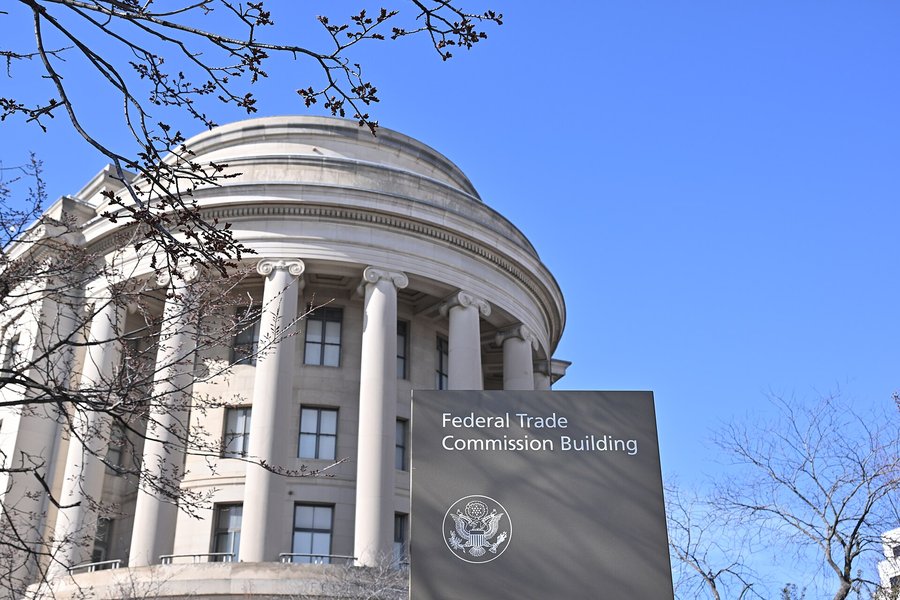
Washington — The Federal Trade Commission on 2 October announced a proposed settlement with Southern Glazer’s Wine and Spirits, LLC — the nation’s largest wine-and-spirits distributor — that would limit alleged illegal price discrimination against small independent retailers in twenty-six states and put an independent monitor over the company for six years.
The Commission voted 2–0 to issue the proposed stipulated order. The papers were filed in the U.S. District Court for the Central District of California. A stipulated consent order is an agreement the parties ask a judge to enter; it has the force of law only when a district judge approves and signs it. Until then it is a proposed settlement, not a final court judgment.
What the Robinson-Patman Act is
The Robinson-Patman Act is a 1930s federal statute that generally makes it unlawful for a seller to charge competing buyers different prices for the same goods when that price gap harms competition — classic “price discrimination.” Congress aimed to keep small shops from being squeezed by deals large chains can extract. The FTC says this case is its first Robinson-Patman enforcement action in a generation.
In a 2024 lawsuit, the Commission alleged Southern charged independent retailers significantly higher prices for identical bottles of wine and spirits, in the same period, than it charged nearby large chains such as Total Wine, Walmart and Kroger — sometimes stores only a few blocks apart. The complaint said Southern used discounts and rebates that small competitors could not reach and that were not justified by real differences in distribution cost.
Southern denies the complaint’s allegations. The proposed order says it is not evidence against the company and not an admission of liability or wrongdoing.
What the proposed deal would do
The settlement targets “paired” transactions: Southern sells a product to a large chain retailer at one price while, around the same time, selling the same product to a nearby independent retailer at a much higher price. Under the proposed order, Southern would violate the deal if those paired sales show significant price discrimination — above a state-specific cost-based threshold — and if the recurring gap for a given small retailer exceeds $5,000 over twelve months.
When the independent monitor flags a qualifying set of discriminatory paired deals, Southern can “cure” by paying the independent retailer 1.5 times the full aggregated price difference. If Southern does not cure and the FTC wins an enforcement action, Southern must pay the retailer double that aggregated difference. The order would run six years and be overseen by a jointly selected independent monitor. Southern would pay the monitor’s costs.
The twenty-six covered states are Alaska, Arizona, Arkansas, California, Colorado, Delaware, Florida, Hawaii, Illinois, Indiana, Kansas, Kentucky, Louisiana, Maryland, Minnesota, Missouri, Nebraska, Nevada, New Mexico, New York, North Dakota, Oklahoma, South Carolina, Tennessee, Texas and Washington. Daniel Guarnera, director of the FTC’s Bureau of Competition, called the deal “a significant milestone” for Robinson-Patman enforcement and said small businesses “are an invaluable part of the American economy and way of life.”
Who still has to act
Judge Fred W. Slaughter of the Central District of California is the assigned district judge on the proposed stipulated consent decree. Entry of the order is what turns the settlement into a binding court decree. The FTC’s press release notes expressly that stipulated orders have the force of law when approved and signed by the district court judge. Chairman Andrew N. Ferguson and Commissioner Mark R. Meador issued separate statements alongside the 2–0 vote.
Until the judge signs, Southern’s day-to-day pricing is not yet under the court order’s cure-and-monitor machinery — though the company has stipulated that it will comply with the order’s terms pending entry. For independent wine-and-spirits shops in the twenty-six states, the practical takeaway arrives when the court enters the decree and the monitor begins reviewing paired sales.
Floor: FTC 2–0 vote 2 Oct 2026 on proposed stipulated consent order with Southern Glazer’s Wine and Spirits; Robinson-Patman Act; paired-transaction limits in 26 states; cure at 1.5× differential; 6-year monitor; filed C.D. Cal. (FTC press release; proposed order PDF). Force of law when district judge enters order (FTC note). Sources: FTC press release, 2 Oct 2026; FTC proposed stipulated consent decree PDF.
Sources: https://www.ftc.gov/news-events/news/press-releases/2026/10/ftc-secures-settlement-protects-small-businesses-illegal-price-discrimination; https://www.ftc.gov/system/files/ftc_gov/pdf/SGWS-ProposedStipulatedConsentDecreeandOrder.pdf.