
Energy · Warsaw
Poland Signs Windfall Fuel Tax
Polish President Karol Nawrocki on 1 October signed a parliament-passed windfall tax on oil and gas companies’ excess fuel-sale profits, clearing the way for the Tusk government to cut pump prices even as he referred the law to the Constitutional Tribunal.
By ClarkWarsaw · Saturday, 3 October 2026
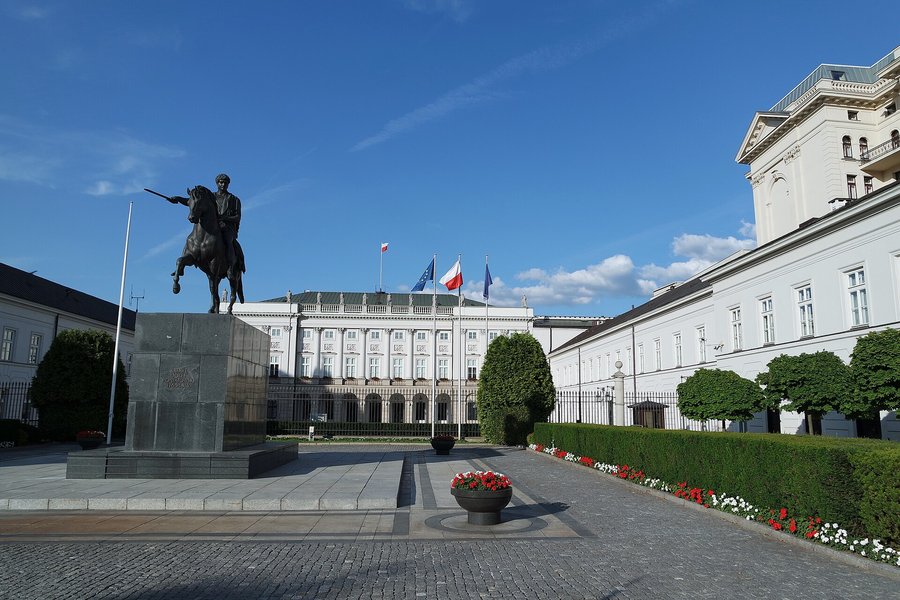
Warsaw — Polish President Karol Nawrocki said on the evening of 1 October that he had signed a windfall-tax bill aimed at oil and gas companies’ excess profits, reversing earlier resistance and unlocking the government’s plan to lower fuel prices at the pump.
Parliament had approved the measure to tax windfall profits that fuel sellers booked amid supply shocks tied to Middle East fighting. Under the act published 1 October (Journal of Laws, item 1287), the tax is 60 percent of liquid-fuel sales revenue above what the company would have booked using its average 2025 sales margin increased by 20 percent. The tax year runs from 1 March 2026 through 31 March 2027. Firms that trade fuel but do not refine it cannot owe more than 50 percent of income. Most of the statute takes effect 1 November; the finance minister’s power to cut excise took effect the day after publication. Prime Minister Donald Tusk said that once the bill became law, the government would use the proceeds to cut pump prices. Finance Minister Andrzej Domański said Thursday evening the act would be published that day and that station prices should fall by about 1.2 to 1.3 zlotys per liter — roughly 31 to 33 U.S. cents at the rate Reuters cited — as early as the weekend, and that he wanted the lower-price programme to last at least through year-end.
Why Nawrocki flipped
Nawrocki, an opposition-backed head of state, had referred an earlier version of the bill to Poland’s Constitutional Tribunal over worries about retroactive application and effects on consumers. Signing the revised text while still sending it for constitutional review lets the statute enter the legal order and start the price-cut machinery, while leaving open a court check on whether parts of it violate the constitution. In a televised speech he said he would “no longer allow the government to deflect responsibility” for high prices and that he had signed a law addressing excess profits of fuel companies.
A windfall tax is a special levy on profits that lawmakers treat as unexpectedly large because of external shocks — here, energy-market turmoil — rather than ordinary business growth. Supporters cast it as reclaiming crisis rents for drivers; critics in the industry warn that heavy, short-notice taxes can deter investment and be passed through to consumers if companies shrink supply.
The politics behind the price cut
Poland’s government has faced public anger over fuel costs as Middle East supply shocks widened refining and retail margins. Tusk’s coalition cast the windfall levy as a way to claw back extraordinary profits and hand relief to drivers before winter. Nawrocki’s signature removes the presidential veto threat that had hung over the bill, even though his Constitutional Tribunal referral keeps a legal cloud over parts of the design. Markets treat Orlen and peers as the main commercial counterparties; how they adjust wholesale and retail pricing will show whether the finance ministry’s weekend cut sticks.
What to watch
Publication of the signed act and the Constitutional Tribunal’s handling of Nawrocki’s referral will decide how durable the levy is. Orlen SA and other fuel companies are the named commercial targets in market coverage of the bill. For Polish drivers, the near-term test is whether the finance ministry’s promised weekend price cut appears at the pump and how long it lasts. For European energy politics, the episode is another example of governments using emergency fiscal tools when Middle East supply risk lifts retail fuel costs.
Floor: President Karol Nawrocki signed windfall-tax bill 1 Oct 2026; published Journal of Laws item 1287 same day (Dziennik Ustaw; Notes from Poland). Tax: 60% of liquid-fuel sales revenue above 2025 average margin +20%; tax year 1 Mar 2026–31 Mar 2027; non-refiner cap 50% of income; most of act effective 1 Nov (DU poz. 1287). Domański: publish that day; pump cut 1.2–1.3 PLN/liter (~$0.31–$0.33) as early as weekend (Reuters). Nawrocki also referred law to Constitutional Tribunal (Reuters; Bankier/PAP). Sources: Dziennik Ustaw 1 Oct 2026 poz. 1287; Reuters, 1 Oct 2026; Notes from Poland, 2 Oct 2026; Bankier.pl/PAP, 1 Oct 2026.
Sources: https://www.reuters.com/business/energy/polish-president-says-he-signed-windfall-tax-bill-2026-10-01/; https://news.bloomberglaw.com/financial-accounting/polish-president-makes-u-turn-signs-windfall-tax-bill-into-law; https://www.bankier.pl/wiadomosc/Polish-President-signs-windfall-tax-bill-into-law-9206307.html.