
Housing · Madrid
Spain Rejects Housing Decrees
Spain’s Congress on 2 October voted down two emergency housing decrees from Prime Minister Pedro Sánchez’s minority government (178–172 and 184–166), killing measures that would have frozen vulnerable-tenant evictions and auto-renewed many leases, and raising pressure for a snap election.
By ClarkMadrid · Saturday, 3 October 2026
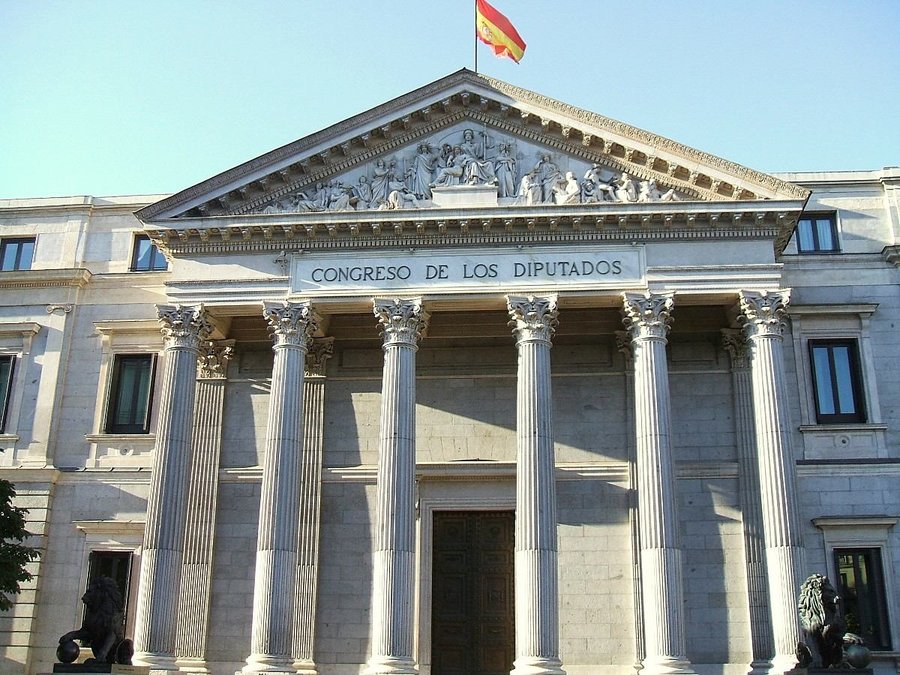
Madrid — Spain’s lower house of parliament on 2 October rejected two decree-laws that Prime Minister Pedro Sánchez’s left-wing minority government had rushed forward to ease a national housing crisis, handing the Socialists a defeat that sharpens talk of an early general election.
Lawmakers voted 178 to 172 against the first decree and 184 to 166 against the second. Under Spanish procedure, emergency decree-laws can take temporary effect when the cabinet issues them, but they lapse unless Congress later approves them. Friday’s votes therefore killed the packages rather than merely scolding the government.
Hundreds of demonstrators gathered outside Congress during the debate. Protesters chanted against lawmakers after the results were announced. The immediate spark was the eviction of Maricarmen Abascal, an 87-year-old Madrid tenant who could not meet a sharp rent increase from her landlord, Urbagestión. Her case triggered tent occupations, marches, and demands for affordable rentals after years of rising prices. The company later negotiated her return on a lower rent, but protests continued.
What the decrees would have done
The first package included suspending evictions of vulnerable tenants until 2030, extending by two years rental leases due to expire before 2028, raising taxes on tourist apartments, and restricting purchases of homes by what the government calls “vulture funds” — large investors that buy residential stock for profit. The second decree went further by requiring automatic renewal of many rental contracts, a core demand of the Sindicato de Inquilinas (Tenants’ Union) and of Sumar, the junior partner in Sánchez’s coalition.
Sánchez begged allies to back the measures, calling them necessary to put “order and humanity” into the housing market. Social Affairs minister Pablo Bustinduy, of Sumar, defended the decrees and said a vote against them was a vote to defend an “international oligarchy” that extracts rent from working-class salaries and does not even pay taxes in Spain. The conservative People’s Party and far-right Vox had already pledged to oppose both decrees. The decisive break came when Together for Catalonia (JxCat), a centre-right pro-independence party whose votes the minority government often needs, said the drafts were hastily written and would fail to stop speculative buying or evictions.
What happens next
Sánchez does not command a stable majority. His government has also been damaged by scandals and court cases involving Socialists and allies. Spanish media reported that the cabinet would spend the weekend deciding whether to dissolve parliament and call an election that was not otherwise due until next summer. The Tenants’ Union said it would move protest energy from the central Madrid tent camp into neighbourhoods facing rent hikes.
The People’s Party argues that more housing supply, not rent controls, lowers prices. JxCat’s Miriam Nogueras said the decrees would let funds keep buying and evictions keep happening. Whatever path Sánchez chooses, Friday’s arithmetic showed that his housing emergency package could not clear the chamber that must confirm decree-laws to keep them alive.
Floor: Congress of Deputies 2 Oct 2026 rejected two housing decree-laws 178–172 and 184–166 (BBC). Measures included eviction freeze to 2030, lease extensions, tourist-apartment taxes, “vulture fund” purchase limits, and auto-renewal of leases (BBC). Trigger: eviction of Maricarmen Abascal, 87; JxCat joined PP/Vox opposition (BBC). Government said to review next steps over weekend, including possible dissolution (BBC). Sources: BBC News, 2 Oct 2026.
Sources: https://www.bbc.co.uk/news/articles/c623dlk4y75mo.